







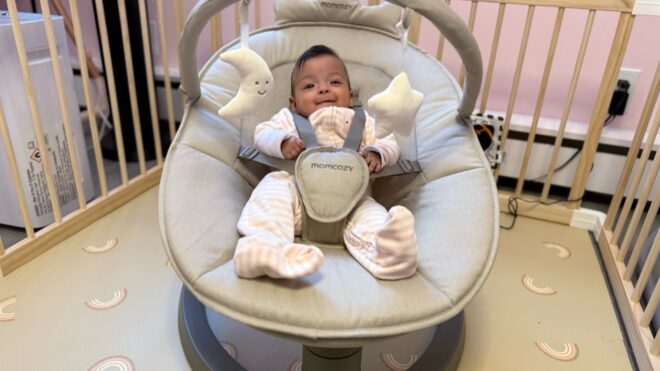
I delivered my baby girl early Saturday morning. Her head measured less then the 10th precentile. The pediatrician diagnosed her with microcephaly and she's going to see a pediatric neurologist at Children's Mercy later this week.
Any other mommas have a kid with microcephaly? What should I expect? What questions should I ask? I've had two previous miscarriages so I'm terrified that I'm going to lose another baby...
We don't. Here is a bump, and hopefully someone has some info for you.
((HUGS)) and prayers. Congrats on your new baby. I dont know anything about your dx, but be sure to do lots of skin to skin (kangaroo care) with your baby, even ifyou arent breastfeeding. Skin to Skin helps baby's regulate their systems. And will help you two bond. Even with all the wires and tubes, it can be done.
Microcephaly (my-kroh-SEF-uh-lee) is a rare neurological condition in which an infant's head is significantly smaller than the heads of other children of the same age and sex. Sometimes detected at birth, microcephaly usually is the result of the brain developing abnormally in the womb or not growing as it should after birth.
Microcephaly can be caused by a variety of genetic and environmental factors. Children with microcephaly often have developmental issues. Generally there's no treatment for microcephaly, but early intervention may help enhance your child's development and improve quality of life.
The primary sign of microcephaly is:
- A head size significantly smaller than that of other children of the same age and sex
Head size is measured as the distance around the top of the child's head (circumference). Using standardized growth charts, the measurement is compared with other children's measurements in percentiles. Some children just have small heads, which may measure in the third, second or even first percentiles. In children with microcephaly, head size measures significantly below the first percentile.
These characteristics may accompany severe microcephaly:
- Backward sloping forehead
- Large ears
- Visual impairment
When to see a doctor
Chances
are your doctor will detect microcephaly at the baby's birth or at a
regular well-baby checkup. However, if you think your baby's head is
smaller than normal or isn't growing as it should, talk to your doctor.
Microcephaly usually is the result of abnormal brain development, which can occur in the womb (congenital) or in infancy. Microcephaly may be genetic. Other causes may include:
- Craniosynostosis. The premature fusing of the joints (sutures) between the bony plates that form an infant's skull keeps the brain from growing. Treating craniosynostosis usually means your infant needs surgery to separate the fused bones. If there's no underlying brain abnormality, the surgery allows the brain adequate space to grow and develop.
- Chromosomal abnormalities. Down syndrome and other conditions may result in microcephaly.
- Decreased oxygen to the fetal brain (cerebral anoxia). Certain complications of pregnancy or delivery can impair oxygen delivery to the fetal brain.
- Infections of the fetus during pregnancy. These include toxoplasmosis, cytomegalovirus, German measles (rubella) and chickenpox (varicella).
- Exposure to drugs, alcohol or certain toxic chemicals in the womb. Any of these put your baby at risk of brain abnormalities.
- Severe malnutrition. Not getting adequate nutrition during pregnancy can affect your baby's development.
- Uncontrolled phenylketonuria (fen-ul-kee-toe-NU-ree-uh), also known as PKU, in the mother. PKU is a birth defect that hampers the body's ability to break down the amino acid phenylalanine.
Some children with microcephaly will be of normal intelligence and development, even though their heads will always be small for their age and sex. But depending on the cause and severity of the microcephaly, complications may include:
- Developmental delays, such as in speech and movement
- Difficulties with coordination and balance
- Dwarfism or short stature
- Facial distortions
- Hyperactivity
- Mental retardation
- Seizures
If you've just learned your child has microcephaly or you suspect that your child's head is too small, you're likely to start by seeing your pediatrician. However, in some cases, your pediatrician may refer you to a pediatric neurologist.
It's a good idea to prepare for your appointment. Here's some information to help you.
What you can do
- Write down any concerns you have about your child, including any regarding small head size or delayed developmental markers.
- Take a family member or friend along, if possible. Sometimes it can be difficult to soak up all the information you get during an appointment. Someone who accompanies you may remember something that you missed or forgot.
- Write down questions to ask your doctor.
Preparing a list of questions for your doctor will help you make the most of your time together. List your questions from most important to least important. For microcephaly, some basic questions to ask your doctor include:
- What is likely causing my child's condition?
- What kinds of tests does my child need?
- What is the best course of action?
- Are there any brochures or other printed material that I can take home with me? What Web sites do you recommend?
Don't hesitate to ask other questions during your appointment.
To determine whether your child has microcephaly, your doctor likely will take a thorough prenatal, birth and family history and do a physical exam. He or she will measure the circumference of your child's head, compare it with a growth chart, and remeasure and plot the growth at subsequent visits. Parents' head sizes also may be measured to determine whether small heads run in the family.
In some cases, particularly if your child's development is delayed, your doctor may request tests such as a head CT or MRI and blood tests to help determine the underlying cause of the delay.
Generally, there's no treatment that will enlarge your child's head or reverse complications of microcephaly. Treatment focuses on ways to manage your child's condition. Early childhood intervention programs that include speech, physical and occupational therapy may help your child strengthen abilities.
Certain complications of microcephaly, such as seizures or hyperactivity, may be treated with medication.
When you learn your child has microcephaly, you may experience a range of emotions, including anger, fear, worry, sorrow and guilt. You may not know what to expect, and you may worry about your child's future. The best antidote for fear and worry is information and support. Prepare yourself:
- Find a team of trusted professionals. You'll need to make important decisions about your child's education and treatment. Seek a team of doctors, teachers and therapists you trust. These professionals can help evaluate the resources in your area and help explain state and federal programs for children with disabilities.
- Seek out other families who are dealing with the same issues. Your community may have support groups for parents of children with developmental disabilities. You may also find Internet support groups.
Learning your child has microcephaly may raise questions about future pregnancies. Work with your doctor to determine the cause of the microcephaly. If the cause is genetic, you and your spouse may want to talk to a genetic counselor about risks for future pregnancies.
I'm not crazy....I have two boys.....roflmbo....
I love my Sensational DS1 and my Boysterous DS2...both born preemie, full term breastfed, until they self weaned. I am a Lactivist, a CubScout Den Leader, Self employed, and still take the time to be my Children's Attachment Parenting Mom and my DH's Girlfriend. My DH is my best friend. :)
Thanks for posting this mama!
Quoting Hottubgodess:ArticlesMicrocephalyMicrocephaly — Comprehensive overview covers causes and management of this rare neurological condition.DefinitionMicrocephaly (my-kroh-SEF-uh-lee) is a rare neurological condition in which an infant's head is significantly smaller than the heads of other children of the same age and sex. Sometimes detected at birth, microcephaly usually is the result of the brain developing abnormally in the womb or not growing as it should after birth.
Microcephaly can be caused by a variety of genetic and environmental factors. Children with microcephaly often have developmental issues. Generally there's no treatment for microcephaly, but early intervention may help enhance your child's development and improve quality of life.
SymptomsThe primary sign of microcephaly is:
- A head size significantly smaller than that of other children of the same age and sex
Head size is measured as the distance around the top of the child's head (circumference). Using standardized growth charts, the measurement is compared with other children's measurements in percentiles. Some children just have small heads, which may measure in the third, second or even first percentiles. In children with microcephaly, head size measures significantly below the first percentile.
These characteristics may accompany severe microcephaly:
- Backward sloping forehead
- Large ears
- Visual impairment
When to see a doctor
Chances are your doctor will detect microcephaly at the baby's birth or at a regular well-baby checkup. However, if you think your baby's head is smaller than normal or isn't growing as it should, talk to your doctor.CausesMicrocephaly usually is the result of abnormal brain development, which can occur in the womb (congenital) or in infancy. Microcephaly may be genetic. Other causes may include:
- Craniosynostosis. The premature fusing of the joints (sutures) between the bony plates that form an infant's skull keeps the brain from growing. Treating craniosynostosis usually means your infant needs surgery to separate the fused bones. If there's no underlying brain abnormality, the surgery allows the brain adequate space to grow and develop.
- Chromosomal abnormalities. Down syndrome and other conditions may result in microcephaly.
- Decreased oxygen to the fetal brain (cerebral anoxia). Certain complications of pregnancy or delivery can impair oxygen delivery to the fetal brain.
- Infections of the fetus during pregnancy. These include toxoplasmosis, cytomegalovirus, German measles (rubella) and chickenpox (varicella).
- Exposure to drugs, alcohol or certain toxic chemicals in the womb. Any of these put your baby at risk of brain abnormalities.
- Severe malnutrition. Not getting adequate nutrition during pregnancy can affect your baby's development.
- Uncontrolled phenylketonuria (fen-ul-kee-toe-NU-ree-uh), also known as PKU, in the mother. PKU is a birth defect that hampers the body's ability to break down the amino acid phenylalanine.
ComplicationsSome children with microcephaly will be of normal intelligence and development, even though their heads will always be small for their age and sex. But depending on the cause and severity of the microcephaly, complications may include:
- Developmental delays, such as in speech and movement
- Difficulties with coordination and balance
- Dwarfism or short stature
- Facial distortions
- Hyperactivity
- Mental retardation
- Seizures
Preparing for your appointmentIf you've just learned your child has microcephaly or you suspect that your child's head is too small, you're likely to start by seeing your pediatrician. However, in some cases, your pediatrician may refer you to a pediatric neurologist.
It's a good idea to prepare for your appointment. Here's some information to help you.
What you can do
- Write down any concerns you have about your child, including any regarding small head size or delayed developmental markers.
- Take a family member or friend along, if possible. Sometimes it can be difficult to soak up all the information you get during an appointment. Someone who accompanies you may remember something that you missed or forgot.
- Write down questions to ask your doctor.
Preparing a list of questions for your doctor will help you make the most of your time together. List your questions from most important to least important. For microcephaly, some basic questions to ask your doctor include:
- What is likely causing my child's condition?
- What kinds of tests does my child need?
- What is the best course of action?
- Are there any brochures or other printed material that I can take home with me? What Web sites do you recommend?
Don't hesitate to ask other questions during your appointment.
Tests and diagnosisTo determine whether your child has microcephaly, your doctor likely will take a thorough prenatal, birth and family history and do a physical exam. He or she will measure the circumference of your child's head, compare it with a growth chart, and remeasure and plot the growth at subsequent visits. Parents' head sizes also may be measured to determine whether small heads run in the family.
In some cases, particularly if your child's development is delayed, your doctor may request tests such as a head CT or MRI and blood tests to help determine the underlying cause of the delay.
Treatments and drugsGenerally, there's no treatment that will enlarge your child's head or reverse complications of microcephaly. Treatment focuses on ways to manage your child's condition. Early childhood intervention programs that include speech, physical and occupational therapy may help your child strengthen abilities.
Certain complications of microcephaly, such as seizures or hyperactivity, may be treated with medication.
Coping and supportWhen you learn your child has microcephaly, you may experience a range of emotions, including anger, fear, worry, sorrow and guilt. You may not know what to expect, and you may worry about your child's future. The best antidote for fear and worry is information and support. Prepare yourself:
- Find a team of trusted professionals. You'll need to make important decisions about your child's education and treatment. Seek a team of doctors, teachers and therapists you trust. These professionals can help evaluate the resources in your area and help explain state and federal programs for children with disabilities.
- Seek out other families who are dealing with the same issues. Your community may have support groups for parents of children with developmental disabilities. You may also find Internet support groups.
PreventionLearning your child has microcephaly may raise questions about future pregnancies. Work with your doctor to determine the cause of the microcephaly. If the cause is genetic, you and your spouse may want to talk to a genetic counselor about risks for future pregnancies.
Please feel free to contact me here or email me fdgarrett@gmail.com if you need to talk or have questions. I am thinking of you and your little girl.
Felicia
My son was diagnosed with microcephaly, but he also has many other diagnosis' I was told that there is many reasons for the condition. In my sons case it is caused by his brain not growing. His soft spot also fused all the way closed by the time he was 6 months old. He still is considered by the doctors to have a smaller head then normal but its not noticeable it seems normal to us. Ask the doc as many questions that come into your head. I was told that microcephaly could be from nothing to anything. My son was a preemie at 31 weeks and was only 2lb 14oz he had health issues from the get go he spent 3 1/2 months in the hospital cause of his peirre robin syndrome and cleft palet. He also had breathing issues.
congrats on your lil bundle! Wish you the best!
NP. It can help us all to be able to understand. :)
Quoting darbyakeep45:
Thanks for posting this mama!
Quoting Hottubgodess:
ArticlesMicrocephalyMicrocephaly — Comprehensive overview covers causes and management of this rare neurological condition.DefinitionMicrocephaly (my-kroh-SEF-uh-lee) is a rare neurological condition in which an infant's head is significantly smaller than the heads of other children of the same age and sex. Sometimes detected at birth, microcephaly usually is the result of the brain developing abnormally in the womb or not growing as it should after birth.
Microcephaly can be caused by a variety of genetic and environmental factors. Children with microcephaly often have developmental issues. Generally there's no treatment for microcephaly, but early intervention may help enhance your child's development and improve quality of life.
SymptomsThe primary sign of microcephaly is:
- A head size significantly smaller than that of other children of the same age and sex
Head size is measured as the distance around the top of the child's head (circumference). Using standardized growth charts, the measurement is compared with other children's measurements in percentiles. Some children just have small heads, which may measure in the third, second or even first percentiles. In children with microcephaly, head size measures significantly below the first percentile.
These characteristics may accompany severe microcephaly:
- Backward sloping forehead
- Large ears
- Visual impairment
When to see a doctor
Chances are your doctor will detect microcephaly at the baby's birth or at a regular well-baby checkup. However, if you think your baby's head is smaller than normal or isn't growing as it should, talk to your doctor.CausesMicrocephaly usually is the result of abnormal brain development, which can occur in the womb (congenital) or in infancy. Microcephaly may be genetic. Other causes may include:
- Craniosynostosis. The premature fusing of the joints (sutures) between the bony plates that form an infant's skull keeps the brain from growing. Treating craniosynostosis usually means your infant needs surgery to separate the fused bones. If there's no underlying brain abnormality, the surgery allows the brain adequate space to grow and develop.
- Chromosomal abnormalities. Down syndrome and other conditions may result in microcephaly.
- Decreased oxygen to the fetal brain (cerebral anoxia). Certain complications of pregnancy or delivery can impair oxygen delivery to the fetal brain.
- Infections of the fetus during pregnancy. These include toxoplasmosis, cytomegalovirus, German measles (rubella) and chickenpox (varicella).
- Exposure to drugs, alcohol or certain toxic chemicals in the womb. Any of these put your baby at risk of brain abnormalities.
- Severe malnutrition. Not getting adequate nutrition during pregnancy can affect your baby's development.
- Uncontrolled phenylketonuria (fen-ul-kee-toe-NU-ree-uh), also known as PKU, in the mother. PKU is a birth defect that hampers the body's ability to break down the amino acid phenylalanine.
ComplicationsSome children with microcephaly will be of normal intelligence and development, even though their heads will always be small for their age and sex. But depending on the cause and severity of the microcephaly, complications may include:
- Developmental delays, such as in speech and movement
- Difficulties with coordination and balance
- Dwarfism or short stature
- Facial distortions
- Hyperactivity
- Mental retardation
- Seizures
Preparing for your appointmentIf you've just learned your child has microcephaly or you suspect that your child's head is too small, you're likely to start by seeing your pediatrician. However, in some cases, your pediatrician may refer you to a pediatric neurologist.
It's a good idea to prepare for your appointment. Here's some information to help you.
What you can do
- Write down any concerns you have about your child, including any regarding small head size or delayed developmental markers.
- Take a family member or friend along, if possible. Sometimes it can be difficult to soak up all the information you get during an appointment. Someone who accompanies you may remember something that you missed or forgot.
- Write down questions to ask your doctor.
Preparing a list of questions for your doctor will help you make the most of your time together. List your questions from most important to least important. For microcephaly, some basic questions to ask your doctor include:
- What is likely causing my child's condition?
- What kinds of tests does my child need?
- What is the best course of action?
- Are there any brochures or other printed material that I can take home with me? What Web sites do you recommend?
Don't hesitate to ask other questions during your appointment.
Tests and diagnosisTo determine whether your child has microcephaly, your doctor likely will take a thorough prenatal, birth and family history and do a physical exam. He or she will measure the circumference of your child's head, compare it with a growth chart, and remeasure and plot the growth at subsequent visits. Parents' head sizes also may be measured to determine whether small heads run in the family.
In some cases, particularly if your child's development is delayed, your doctor may request tests such as a head CT or MRI and blood tests to help determine the underlying cause of the delay.
Treatments and drugsGenerally, there's no treatment that will enlarge your child's head or reverse complications of microcephaly. Treatment focuses on ways to manage your child's condition. Early childhood intervention programs that include speech, physical and occupational therapy may help your child strengthen abilities.
Certain complications of microcephaly, such as seizures or hyperactivity, may be treated with medication.
Coping and supportWhen you learn your child has microcephaly, you may experience a range of emotions, including anger, fear, worry, sorrow and guilt. You may not know what to expect, and you may worry about your child's future. The best antidote for fear and worry is information and support. Prepare yourself:
- Find a team of trusted professionals. You'll need to make important decisions about your child's education and treatment. Seek a team of doctors, teachers and therapists you trust. These professionals can help evaluate the resources in your area and help explain state and federal programs for children with disabilities.
- Seek out other families who are dealing with the same issues. Your community may have support groups for parents of children with developmental disabilities. You may also find Internet support groups.
PreventionLearning your child has microcephaly may raise questions about future pregnancies. Work with your doctor to determine the cause of the microcephaly. If the cause is genetic, you and your spouse may want to talk to a genetic counselor about risks for future pregnancies.
I'm not crazy....I have two boys.....roflmbo....
I love my Sensational DS1 and my Boysterous DS2...both born preemie, full term breastfed, until they self weaned. I am a Lactivist, a CubScout Den Leader, Self employed, and still take the time to be my Children's Attachment Parenting Mom and my DH's Girlfriend. My DH is my best friend. :)


- Ashley_Carlson
on Jan. 1, 2012 at 4:16 PM