






After a long winter we are all ready to get outdoors. Going on a picnic is a fun way to spend the afternoon! Please keep the following tips in mind to keep your picnic safe and enjoyable.
1) Wash hands before handling foods and use clean utensils and containers. Picnic foods usually receive a lot of handling witch increases the risk of contamination with harmful bacteria.
2) Mayonnaise—based foods need to be kept cold. Mayonnaise alone is too acidic for bacteria to grow in but mixed with other foods, particularly those that have been handled a lot and/or are protein foods. Bacteria can grow if the mixture is too warm.
3) Cut melons need to be kept cold. Melons like watermelon and cantaloupe can cause food borne illness. Bacteria such as Salmonella and Shigella are often present on the rind. Wash melons before cutting them and refrigerate cut pieces. On your picnic keep them close to the ice pack.
4) Pack moist towelettes to was hands before you eat. After playing hands can become unclean.
5) Important temperatures: Keep cold food cold. Using a cooler, keep it out of the sun and avoid opening it too often. Keep cold foods at 41 degrees F or cooler at all times. For Hot foods after cooking meat or chicken on the grill keep it at 140 degrees F or warmer until serving. Reheated items ( such as beans) should be brought to 165 degrees F.
6) Discard any food that has been out of the fridge for four or more hours.
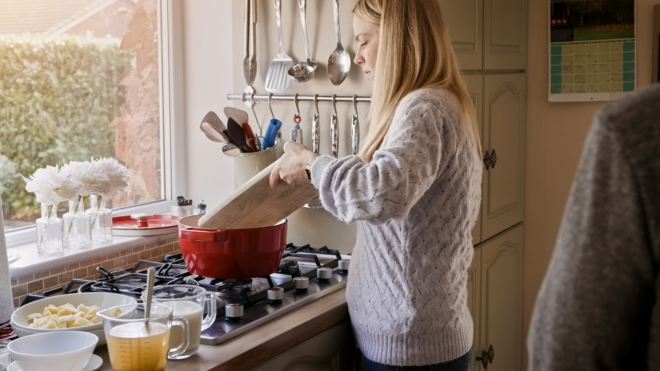
It’s a daily chore—making school lunches. You try to keep in mind healthy foods and the food groups but have you considered if your child’s lunch is safe?
Here are some tips for making sure food stays healthy to eat:
1) It’s safe to prepare food the night before and store it in the fridge. Also freezing sandwiches helps them stay cold. They will most likely be thawed by lunch time. ( However those made with mayonnaise, lettuce and tomatoes will suffer in quality)
2) Wash your hands well in warm soapy water before preparing lunches. Be sure cutting board, counter and utensils are clean. Wash with soapy water after preparing each item.
3) Choose food that’s safe! Remember cooked meat, poultry, fish, eggs and some cheeses are perishable and must be kept cold. Use an ice pack.
4) Use a well insulated lunch bag. Lunch bags vary in effectiveness. To test how good that insulation is, put a refrigerator thermometer in the bag, along with usual contents. The temperature in the lunch bag should stay at 4 degrees C / 40 degrees F or below. If the temperature rises above the safe temperature for more than two hours food should be thrown out. ( not eaten on the bus ride home!)
5) Pack a cold source like an ice pack or frozen juice box to keep food cold. And chill food before packing.
6) Pour hot foods like soup into a preheated insulated bottle. Fill the bottle with boiling water and let stand a few minutes; empty and then put in the piping hot food. When eaten food should still be hot.
7) Remind your child to wash their hands well with soap before eating their lunch.
8) Leftovers should be discarded, not saved for later or brought home. Instruct your child to toss out leftovers.
9) Discard all used food packaging, plastic and paper bags. They should not be used again because they could contaminate other foods!
1) Wash hands before handling foods and use clean utensils and containers. Picnic foods usually receive a lot of handling witch increases the risk of contamination with harmful bacteria.
2) Mayonnaise—based foods need to be kept cold. Mayonnaise alone is too acidic for bacteria to grow in but mixed with other foods, particularly those that have been handled a lot and/or are protein foods. Bacteria can grow if the mixture is too warm.
3) Cut melons need to be kept cold. Melons like watermelon and cantaloupe can cause food borne illness. Bacteria such as Salmonella and Shigella are often present on the rind. Wash melons before cutting them and refrigerate cut pieces. On your picnic keep them close to the ice pack.
4) Pack moist towelettes to was hands before you eat. After playing hands can become unclean.
5) Important temperatures: Keep cold food cold. Using a cooler, keep it out of the sun and avoid opening it too often. Keep cold foods at 41 degrees F or cooler at all times. For Hot foods after cooking meat or chicken on the grill keep it at 140 degrees F or warmer until serving. Reheated items ( such as beans) should be brought to 165 degrees F.
6) Discard any food that has been out of the fridge for four or more hours.
It’s a daily chore—making school lunches. You try to keep in mind healthy foods and the food groups but have you considered if your child’s lunch is safe?
Here are some tips for making sure food stays healthy to eat:
1) It’s safe to prepare food the night before and store it in the fridge. Also freezing sandwiches helps them stay cold. They will most likely be thawed by lunch time. ( However those made with mayonnaise, lettuce and tomatoes will suffer in quality)
2) Wash your hands well in warm soapy water before preparing lunches. Be sure cutting board, counter and utensils are clean. Wash with soapy water after preparing each item.
3) Choose food that’s safe! Remember cooked meat, poultry, fish, eggs and some cheeses are perishable and must be kept cold. Use an ice pack.
4) Use a well insulated lunch bag. Lunch bags vary in effectiveness. To test how good that insulation is, put a refrigerator thermometer in the bag, along with usual contents. The temperature in the lunch bag should stay at 4 degrees C / 40 degrees F or below. If the temperature rises above the safe temperature for more than two hours food should be thrown out. ( not eaten on the bus ride home!)
5) Pack a cold source like an ice pack or frozen juice box to keep food cold. And chill food before packing.
6) Pour hot foods like soup into a preheated insulated bottle. Fill the bottle with boiling water and let stand a few minutes; empty and then put in the piping hot food. When eaten food should still be hot.
7) Remind your child to wash their hands well with soap before eating their lunch.
8) Leftovers should be discarded, not saved for later or brought home. Instruct your child to toss out leftovers.
9) Discard all used food packaging, plastic and paper bags. They should not be used again because they could contaminate other foods!
Farmer's Market Forum is now open to Craft Fair Vendors & Patrons too!
Buy Tupperware Online! www.my.tupperware.ca/robinhill

Posted by
on Apr. 6, 2008 at 7:38 PM
Add your quick reply below:
You must be a member to reply to this post.
Replies:
1-1 of 1 replies
by
Group Owner
on Apr. 7, 2008 at 8:46 PM
Wash melons before cutting them
Did you already know this? To be honest I didn't know to wash the outside before cutting them. It makes sence but I never thought about it before LOL
Farmer's Market Forum is now open to Craft Fair Vendors & Patrons too!
Buy Tupperware Online! www.my.tupperware.ca/robinhill

1-1 of 1 replies
Add your quick reply below:
You must be a member to reply to this post.


- Mama3A
on Apr. 6, 2008 at 7:38 PM