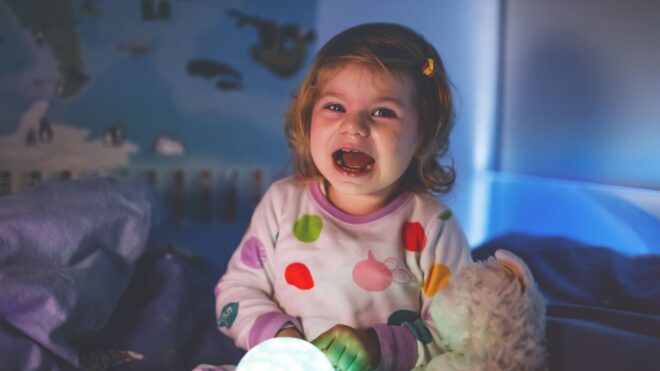








The movie started good, but it turned SO SCARY for my DS 6 and DS 4 that we almost left. It was so disappointing and sad that my daughter wanted to leave and was crying.
We had high expectations coming from Pixar and Disney, but this one was too dark and intense. I'm disappointed because we finally have a princess movie with a strong female lead, but my daughter vowed never to see it again.
Why is Disney so bent on scaring little kids!!?? I would not recommend this movie. Save your money and rent the DVD so you can fast forward through the scary parts (which is 70% scary!).
-------------------------------------------------------------------------------
Interesting article.... just thought I'd share this article, articles on harmful effects of violent media on children is plenty.
Ultimately, every parent will choose what is appropriate for their kids, and appreciate that we respect each other's decisions and point of view. I don't judge and neither should I be judged.
Thank you..
-----------------------------------------------------------------------------
The Influence of Violent Media on Children & Adolescents
Violent movies, video games and computer games may spur violence and produce other adverse effects on children. American children and adolescents spend more than 90 hours a month watching television, according to the Academy of Child & Adolescent Psychiatry. They will have viewed hundreds of thousands of acts of violence by they time they reach 18. Many experts have concluded that the ubiquitous presence of violence in our media encourages violence in our youth.
Adverse Effects
Decades of research and hundreds of studies substantiate the negative effects of media violence on children, according to the Kaiser Family Foundation. The American Academy of Child & Adolescent Psychiatry also concludes that viewing media violence can produce distress, emotional anesthetization to violence, loss of empathy for victims and the view that violence is an acceptable means for dealing with problems. But the relationship between media violence and violence in children and adolescents is complex, according to Media Awareness. Correlational studies don't necessarily indicate the direction of the causal relationship between media and children's violence. For example, children who are inclined to be violent might be drawn to violent video games and television programs. However, studies seem to indicate that, at least under certain circumstances, media violence can affect children and adolescents.
Media Characteristics
The characteristics of the media content influence the extent to which media affects the attitudes and behavior of children, according to the Center for Communication and Social Policy. Realistic action portrayed by real actors has greater influence over children than animated violence. The consequences that characters experience influences how much children will imitate the portrayed violence. Children are more likely to imitate characters who are rewarded or who are presented as heroic, and less likely to imitate violent behavior when violent media characters are punished.
Viewer's Characteristics
Younger children are still developing their cognitive capacity to differentiate between fantasy and reality. Therefore, preschool and school-age children are more sensitive to the effects of media violence than adolescents, according to the Media Awareness Network. Teenagers have a more highly developed ability for critical thinking and are more autonomous and cynical, so they are more likely to view media violence as fictional action meant to entertain. Nonetheless, adolescents who have violent fantasies or emotional problems can be incited by media violence, especially if their core values and peers, family or other people support the use of violence.
Environmental Factors
Children internalize the values and behavior patterns of their primary role models. Children who grow up in violent families or neighborhoods, or who associate with violent peers tend to be more vulnerable to the effects of media violence, according to Young Media. Of course, children who grow up in a subculture of violence are likely to engage in violent behavior even if they don't view media violence. For these children, media violence might simply trigger or heighten a violent tendency. On the other hand, children who grow up in a family and subculture that emphasizes reasoned, rational, nonviolent approaches to resolving problems are more resistant to the influence of media violence. Similarly, children's empathy toward victims of violence is moderated by the values of empathy and helping that are cultivated in them as they grow up.
Interventions
You can minimize the effect of media violence on your child by creating a family culture of empathy, respect and nonviolence. Limit your child's exposure to violent media, especially while they are young and more vulnerable, according to Media Awareness Network. If your child has a problem with aggressive or violent behavior, he should not view or play violent media. Don't use corporal punishment, and don't engage in violent or aggressive behavior around your children, because you are your child's most powerful role model.
We didn't find it scary in the least. Neither did any of the other kids in the packed theater we were in. We loved it.
Quoting jadedcynic:We didn't find it scary in the least. Neither did any of the other kids in the packed theater we were in. We loved it.
Quoting NVL0707:
What was so scary about it?


- Jade655
on Jun. 23, 2012 at 7:18 PM