






School Programs and Exercise

  • June 26, 2008 at 11:50 AM by hbbmoney
  • 0 Comment(s)
  • 17 Total Views

School Programs and Exercise
CAN Help Your Child Fight Obesity

More than five years ago, the Center for Disease
Control (CDC) published 'Guidelines for School and
Community Programs' to promote physical activity in
children and teenagers, in hopes of helping them
develop lifelong exercise and physical fitness
regimens.

If you, as a parent, understand and embrace these
guidelines, you can work with your school system and
with community centers and programs, like the YMCA and
the Boy Scouts, to encourage and even help to develop
physical activity and exercise programs that support
your goals.

If your child is obese, slightly overweight or simply
in danger of falling into the great, black pit of
video gaming, you need to get them off the couch, out
from in front of the computer or video game station,
and out into the fresh air to get some exercise.

Without exercise, diet is much less successful.

Although your child may balk at physical activities at
first, they will eventually find that they feel better,
sleep better and function better when they exercise.

Take a look at some of the CDC guidelines and look for
ways to get your child more involved in exercise,
and/or to get YOURSELF more involved in the
development of these programs in your schools and
community.

The CDC encourages schools and community organizations
alike to establish policies and guidelines that
encourage physical activity that is enjoyable and that
is suitable for all age groups, so that exercise
becomes a lifelong activity.

Schools MUST require physical education credits and
provide detailed health education and courses to teach
children proper nutritional habits and to show them
the right way to exercise so that they are not injured
in the process.

Schools will find and implement physical education and
exercise programs that encourage physical activity and
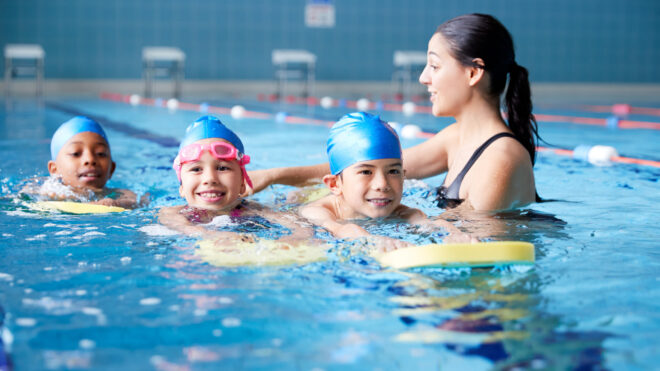
offer enjoyable options. Activities like dance,
gymnastics, sports and other options should be offered
with supervised coaching to avoid injury. Not all
activities should be competitive!

Activities should be sequential, advancing in
complexity and challenge as the child ages to allow
them to achieve physical potential.

At minimum, National Physical Fitness standards should
be met.

Both schools and community organizations must provide
funding and adequate supervision and guidance for
physical activities, sports, and exercise equipment.

These activities and equipment choices must provide a
broad range of options to satisfy the interests of all
the children in the community, and school system.

Community and school programs should include
activities that are appropriate for children of all
ages and all levels of ability.

These programs should be advertised and promoted to
children to advise them of the availability and the
programs should be desirable and enjoyable for the age
group and type of children who are expected to
participate.

Health education classes should help students develop
knowledge and skills to encourage and enhance proper
diet and exercise programs. These programs should
foster an appropriate attitude so that all children
WANT to live a healthy life style.

Programs should stress moderation in all activities so
that children see exercise as one of the things they
will do every day, in addition to the other activities
they love, e.g. computer or video games, or watching
TV or movies.

All coaches, teachers, health education staff, and
recreation directors should have appropriate training
to manage and promote this physical education and
exercise programs and to ensure that the children
under their supervision safely participate in these
programs.

Safe, supervised access to facilities and equipment is
critical!

Unstructured play time is important during school and
after school, with tools and equipment to encourage
impromptu games, e.g. balls, bats, jump ropes,
gymnastics equipment.

Parents and teachers should come together to discuss
the availability of school and community exercise and
physical education programs.

Parents should be encouraged to take on exercise and
physical activities and to share these with their
children as appropriate; to become role models for
their kids by exercising and participating in physical
activities during family events, at work functions,
while visiting the park, etc.

All school and community programs should be evaluated
periodically.

This evaluation should be detailed enough to ensure
that the needs of the children in the community are
being met.

Does each child have more than one option and
opportunity for exercise and health education in
multiple venues and facilities?

Now that you understand the CDC recommendations, take
a look at your own school system and at the
extracurricular, and community availability of
physical activities, sports and exercise options.

If your community is lagging behind in these programs,
get actively involved. Your attendance and
presentation at a town board meeting can get
organizations like the Boys and Girls Club, and the
YMCA into your community.

And you can talk to your school board and PTA or PTO
about the shortcomings in your physical education and
health programs, and how your school system may be
able to improve their current programs.

You will find it much easier to help your child meet
their weight loss or fitness goals when you have
community and school system support.

For your overweight, obese or inactive child, this
support and assistance is priceless!

Mary
Effective Parenting Skills
"How to Become the World's Greatest Mom or Dad
Without Putting Yourself to Wit's End In
Raising Happier Highly Successful Children!" ...more information click here 

Tags: school programs, exercise, obesity

Everyone can see this journal post.

Comments:

Want to leave a comment and join the discussion?

Click here to register for CafeMom

Already a member?Click here to log in

© 2008 CMI Marketing, Inc. All rights reserved.