







now im pissed. SIDS.

  • July 7, 2008 at 1:48 PM by autumnrainn
  • 14 Comment(s)
  • 303 Total Views

ill start here. ive been doing a search here on cafe mom about a cause that is SO close to my heart. SIDS. and between the journal posts and group posts - i am APPALLED!

i know that people are uneducated and misinformed about sids, because until it happened to us i was one of those people. but really. im reading and reading and im just getting so angry!!!  IF YOU ARE GOING TO POST INFO ABOUT SIDS PLEASE KNOW WHAT YOU ARE TALKING ABOUT! there is already so many misinformed people you are only making it worse by spreading false info!

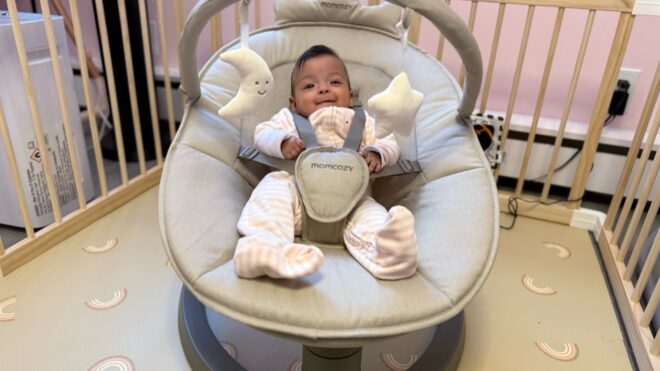
my son dylan was a perfectly healthy baby boy. he was just shy of 5 months old. he was breastfed. he was 18 lbs. big boy.. strong. he could lift his head, roll himself over. he was happy. thriving. and then i woke up and he was gone.

I NEVER THOUGHT I WOULD WAKE UP AND FIND MY BABY DEAD.

IT MAKES ME SICK THAT I DONT KNOW WHY MY BABY BOY WAS STOLEN FROM ME.

IT DISGUSTS ME WHEN PEOPLE THINK THAT ITS A JOKE. IT IS NOT A JOKE.

Sudden Infant Death Syndrome (SIDS) is the sudden, unexpected death of an apparently healthy infant remaining unexplained after an autopsy, death scene investigation, and a medical history review. SIDS continues to be the leading cause of infant death, claiming the lives of approximately 3000 infants in the United States each year. In 1974, recognizing the impact of SIDS on families and communities, the importance of compassionate intervention, and the need to determine the cause of SIDS, legislators passed the Sudden Infant Death Syndrome (SIDS) Act (Public Law 93-270). Although the cause(s) of SIDS has continued to be undetermined, factors that can decrease the risk of SIDS are being identified. As the body of research expands, it seems most likely that SIDS will have more than one explanation.

SIDS Facts:

  • Each year 3,000 - 4,000 infants in the U.S. die of SIDS:
  • Infants between two and four months are the most frequent victims(but just it does not only happen to babies in this category!)
  • Infants appear healthy; death is rapid and silent, usually occurring while the baby is sleeping


We do know that SIDS is:

  • NOT caused by suffocation, vomiting, or choking
  • NOT contagious or hereditary
  • NOT a result of child abuse or neglect
  • NOT predictable
  • NOT apnea


Though there is no prevention at this time, thankfully, there are steps we can take to reduce the risk of SIDS. In 1994, the U. S. Public Health Service and the American Academy of Pediatrics launched a nationwide program to reduce the risk of SIDS called Back to Sleep. The recommendations of Back to Sleep are based on data gathered from other countries, such as England and Australia, which have reduced their SIDS rates by over 50 percent with similar programs.


Sudden Infant Death Syndrome or SIDS has long been a puzzle to researchers, yet, no theories or explanations have yet been found convincing enough. Doctors have not yet been able to determine whether the baby suddenly had a heart problem or just simply lost the ability to breathe. Some of the theories related to SIDS emphasize that the baby's upper airway gets blocked making the baby suffocate or the blood’s composition of the baby was somehow wrong and there is a buildup of fatty acids in blood and thus, the brain of the baby stopped functioning. Others blame faulty nervous system in babies for SIDS as it fails to warn the baby and wake it up when the oxygen supply is low. It could be that SIDS babies don't have that mechanism. 

 SIDS has no warning signs or symptoms; so, the only way to safeguard your babies against SIDS is prevention. Here are some tips for parents of infants that will keep their babies safe:

  • Sleep position: Baby sleeping on tummies were thought to be safer and less likely to choke but researches prove that babies should be placed on their backs while sleeping Preemies are kept on their tummies or sides in the neonatal intensive care unit so they can breathe better but once they come home, you can put them on their backs too.
  • Good prenatal care: Women need and should be provided with best possible medical care while they are pregnant so that they and their babies keep healthy. They should be emphatically warned about the risks of smoking, use of drugs and alcohol. Prenatal care should also include education for the expectant mother on how to care for her new baby.
  • Proper bedding: Avoid soft and loose bedding such as beanbags, waterbeds, soft mattresses, sofas, quilts, comforters, sheepskins, pillow-like soft stuffed toys and fluffy pillows for the baby as they increase the risk for SIDS. Babies should sleep on firm mattresses and make sure that crib is free of the above-mentioned things when the baby is sleeping and that he is not over bundled. Also make sure that there is no smoke to suffocate the baby. You can replace blankets with a sleeper or other sleep clothing with no covering. If you still use the blanket, cover the baby only up to the baby's chest and make sure that his head remains uncovered during sleep.
  • Room temperature: A baby's room should neither be overheated nor too cold as infants are very sensitive to changes in temperature. Too warm rooms can cause baby to sleep so deeply that they may not be able to wake up in time, if they are having difficulty in breathing.
  • Diet: Breast fed babies are believed to have additional protection against infections that can cause SIDS in infants.
  • Bed sharing with parents: It is safer to make your baby sleep in his crib or a co-sleeping attachment in your bedroom than bed sharing with the baby until he is 6 months old. If you nurse your baby in bed, you can cuddle together and let him fall asleep there but put him down to sleep in his own crib before you go to sleep.
  • Secondhand smoke: Do not smoke or do not allow anyone to smoke near the baby or it may cause infections in their breathing tubes.
  • Electronic monitoring: Electronic devices can help the parents to listen to their babies while they are sleeping and raise an alarm if the baby stops breathing. However, they are not known to reduce the risk of SIDS but are recommended for babies who are known to be at greater risk for SIDS such as premature infants, infants with previous breathing problems or babies in families where there have been cases of SIDS already.
  • Daycare: Make sure that the daycare centers where you leave your baby also follow these rules and do not the babies to sleep on their tummies.
  • Pacifiers: Pacifiers can be an added protection for babies up to 6 months.


In the first investigative project of its kind, Scripps Howard News service has conducted a seven-month national reporting project called Saving Babies: Exposing Sudden Infant Death in America. The project will begin appearing in Scripps newspapers and television stations around the country, and can be accessed online through www.savingbabies.net

 please if there is nothing else i can say or do.. educate yourselves about SIDS.

www.cjsids.com

www.firstcandle.org

www.savingbabies.net

www.sidsfamilies.com

www.sids.org


Tags: sids, sudden infant death, crib death, baby, babies, news, education, prevention, risks, loss, death, research, first candle

Comments:

Domst...
 I'm so sorry for your loss :(

DomstcSuperHero Jul. 7, 2008 at 1:51 PM

Momma...

I can't even imagine going through something like that. I don't even know how I would make it through the day without my son. I'm so sorry for your loss..

 I hope people read this and become better informed. It is so scary to never know what could happen to your child at any given moment. :(

Momma2Jordan Jul. 7, 2008 at 1:55 PM

Diamo...

Thank you for posting this; I am a bf'ing, co-sleeping mama----and it galls me how many times I've been told that I'm going to "cause SIDS" to my baby by co-sleeping---and this once from a REGISTERED NURSE!!! WTH--a NURSE!

Believe me when I say I am sorry from the bottom of my heart about losing your son; thank you for posting this and helping educate people.....

DiamondButerfly Jul. 7, 2008 at 5:36 PM

Codys...
I can not even begin to think of what life would be like without my son...I am so sorry for you loss. Thank you for posting all the information.

Codysmom22908 Jul. 7, 2008 at 11:02 PM

Sharpcat

THANK YOU for posting.....i'm right there with you, mama!

((((hugs))))

Sharpcat Jul. 7, 2008 at 11:30 PM

falonxxx

DID HE GET VACCINES IN THE WEEK OR TWO BEFORE DEATH?  VACCINES CAUSE SIDS.

falonxxx Jul. 8, 2008 at 9:11 AM

aymle...

Awesome post =) *hugz*


aymless21 Jul. 9, 2008 at 1:44 AM

BritB...
I too would like to know his vaccination status. I have talked to so many moms whose babies were labeled SIDS babies and they had within days just rec'd vaccinces. In fact, the CDC reported that a percentage of adverse events which were deaths were actually SIDS. They based that conclusion on the fact that the children were btwn 2 and 4 months and it was winter. I have always learned that SIDS was ONLY the answer when none others could be proven. Adverse reactions were not proven to not be the cause, so how can they claim SIDS!!!!

BritBrazell Jul. 11, 2008 at 7:48 PM

older...

Conference questions adult sleep with babies

By THOMAS HARGROVE and LEE BOWMAN
Scripps Howard News Service

PITTSBURGH -- America grossly undercounts the number of babies who suffocate in avoidable sleeping accidents, top medical authorities and child safety advocates agreed in a first-of-its-kind gathering to combat sudden infant death.

But they sharply, sometimes emotionally, differed this weekend over whether they have enough proof to urge parents to stop sleeping with their infants, a sensitive issue that stirred political controversy in recent years.

"We know that 80 percent of sudden infant deaths are related to their sleep environment. We need to focus on the preventability of these deaths, no matter what they're called in the statistics,'' said Dr. James Kemp, a researcher on infant sleep safety at Washington University School of Medicine in St. Louis.

Only one-seventh of the nearly 5,000 infants who die without obvious cause each year are attributed to accidental asphyxiation. Most are blamed on Sudden Infant Death Syndrome.

John Kattwinkel, chairman of the American Academy of Pediatrics' Sudden Infant Death Task Force, cautioned that more statistical evidence is needed before a national campaign against adult bed-sharing with infants should be mounted.

"When we have the data, then we will do that," Kattwinkel said.

The academy's latest guidelines, published in 2005, said bed sharing is not recommended and "may" be dangerous, but avoided stronger language in deference to breastfeeding advocates.

It was a different story for many of the 200 infant death investigators and advocates attending the conference entitled "Breaking the Cycle: A Safe Sleep Summit." The conference was convened in reaction to a series of stories last year by Scripps Howard News Service detailing wildly erratic diagnoses of infant death.

"How many more babies are going to have to die while we wait," said Deborah Robinson, an infant death investigator from Seattle. "They will err on the side of the data. The problem is, the data are no good."

Others believe its time to come to a new consensus about infant death.

"I have a hard time using the word 'SIDS' any longer," said Major Connie Shingledecker, a chief child death investigator for the Manatee County, Fla., Sheriff's Department. "How can I use that word and talk about suffocation. Suffocation is preventable, but true SIDS is not."

In 1992, about 80 percent of 4,895 unexpected infant deaths reported to the federal Centers for Disease Control and Prevention each year were considered SIDS deaths -- a determination that's supposed to be reached only after a thorough death scene investigation, autopsy and medical history review of the baby rule out any other possible cause.

By 2005, of 4,857 deaths reported, just under 48 percent were considered SIDS deaths, but almost 30 percent were attributed to "unknown causes" and the rest to accidental suffocation or homicide.

Much of the recent decline in reported SIDS cases stems from a growing reluctance by local health and law enforcement authorities to use the diagnoses in cases that, they believe, actually resulted from avoidable accidents.

"We've shifted from SIDS to positional asphyxia for many of these cases. That's not what people want to hear, but it's our job to report it," said Peggy Regensburg, a public health program manager from New York City.

The state of New York has reduced the number of reported SIDS cases by 90 percent in recent years, opting instead for the more vague diagnosis of death by "undetermined" causes.

Regensburg and many others at the conference sponsored by the Cribs For Kids, a non-profit group based in Pittsburgh, argue that unsafe sleep practices are being found in so many instances that it's irresponsible not to take a stronger stand against bed sharing and other practices.

"First, we need to improve how these deaths are recorded," Kattwinkel said. His colleague, University of Virginia medical researcher Fern Hauck, echoed a message that wasn't always well received by many others in the gathering.

"We are at a crossroads right now," Hauck said. "But we need more precise data that would require more time and money."

Kattwinkel pointed to political pressure mounted against the Consumer Product Safety Commission following its 1999 announcement that adult bed sharing with infants is a significant threat and its 2002 campaign warning of the dangers of the adult bed for infants.

"There was considerable push-back against that," Kattwinkel said. "That's why we need to do all of the necessary epidemiology first."

Also attending the meeting was product safety researcher Saud Wanna-Nakamura, who became a target after she convinced the federal commission to warn adults to stop taking their babies to bed.

"I didn't then know how afraid I should have been when releasing the bed data, but I was beaten up for it," Wanna-Nakamura said. "It was vicious sometimes."

But that didn't stop the researcher from presenting new data at the conference, a study of 484 infant smothering deaths that resulted from pillows and cushions. Of these, 213 infants died from suffocation because of adult pillows and 128 perished while sleeping on sofa cushions.

"So far, we haven't been beaten up over these pillow data," she said. "We're still working to protect the American people."

older_mom Jul. 14, 2008 at 12:15 PM

hairc...
THAT ARTICLE IS SO MUCH MORE BRAINWASHING MATERIAL PROBABLY WRITTEN BY THE CDC, THE FDA, OR THE AMERICAN ACADEMY OF PEDIATRICS, YOU KNOW, THE ENEMY!!!  YOU AREN'T DONE STUDYING MY FRIEND IF YOU STOP WITH JUST THAT FUNNY ARTICLE........(SMILE, REALLY FUNNY)

haircutsinthera Jul. 15, 2008 at 11:58 PM

Want to leave a comment and join the discussion?

Click here to register for CafeMom

Already a member?Click here to log in

© 2008 CMI Marketing, Inc. All rights reserved.