






UPDATES:
1-8-2008 - CPSC clarifies requirements for resellers, thrift shops, and consignment stores. They are NOT required to TEST their inventory.. however, they are liable for ensuring they do not sell anything with more than 600 ppm of lead... basically, they dont HAVE to test.. but if they DONT test, and they sell something which is "toxic" they are liable.
STOCK STILL MUST BE TESTED... here is an official advisory from the CPSC in regards to requests to forgo testing on items made before Feb 10th, 2009 - http://cpsc.gov/library/foia/advisory/322.pdf
1-9-2008 - Just filmed story about CPSIA with KSL news Utah... not much new to report except that a letter from a congressman confirmed that wall art DOES fall under CPSIA laws... HOWEVER, natural materials and certain textiles MAY be exempt! A committee is voting on the issue.
to read more about POSSIBLE exemptions, go here:
http://cpsc.gov/library/foia/foia09/brief/leadlimits.pdf (it was voted on by the two committee members, and did pass.. but nothing is certain yet, as far as I know... so no celebrations yet)
I know this is long, but it is important. There is alot of panic in the handmade nation right now.. because this law directly affects us in an unfair way. We are doing everything we can to have it modified to include us, to be fair to us.. but at this point, we are being treated the same as big industry.. and while this will not affect them substantially, it WILL affect us. Hundreds, if not thousands, of crafters across our country will be put out of business. Those crafters are not only an intregal part of not only the local economy but they supply quality handmade goods as an alternative to mass produced and wasteful big box store goods. They will not be able to do what they do anymore if this law does not add an amendment for us.
So as a crafter this has hit home for me, last night my DH and I, and my mom on the phone.. sat down and read the 68 pages line by line, to see where I and my business fit into this. This affects anyone who sells goods to children under the age of 12, anyone who HAS children under the age of 12, anyone who MAKES goods for children under the age of 12, and anyone who buys things for children under the age of 12.
For those who don't know, the CPSIA (Consumer Product Safety Improvement Act of 2008) is an act designed to protect our children from unsafe toys, aka.. lead at excessive levels.. and thats a noble cause, HOWEVER, this act requires ANY item designed, marketed to, intended for use by, or looks like it could be designed FOR any child under the age of 12 must be tested. Sounds like a good idea, but you have to consider that the cost for these tests (estimates on different websites vary) have ranged from $100.00 to $4000.00. Even if we assume its $100.00, the average crafter cannot afford to have every "batch" of their craft tested. This act is poorly written and doesnt adress the REAL problem... it forces testing on products manufactured in the US, when our products werent the problem to begin with. We should be forcing testing on every product IMPORTED to the US, but a witch hunt on good American companies making good healthy products is not helping. In this economy, do we really need to put more of a burden on our businesses?
THIS AFFECTS EVERYONE! This affects at home care-takers, daycares, and schools... as your cribs and any toy items must be tested for lead. This affects crafters, of course. This affects Re-sellers, such as Salvation army and others, as THEIR apparel and toys must be tested. This affects GARAGE SALES. According to this act, you CANNOT sell any item for children under the age of 12 which has not been certified to meet the legal levels of lead. I am NOT joking, that is in the act. It is breaking the law to do so, and the fines are high.
Heres an example... if a bib maker makes 10 different styles of bib, with two fabrics on each bib, velcro, and heavy weight sew in.. she must have all10 of those bibs tested, at the $100 a pop (or more) and if she sews a different style, even using the same fabrics, THAT must be tested. EVERY time she makes a new batch, they must be tested.. even if they use the same supplies. She must also PERMANENTLY label her items with the batch number, so consumers can know when it was made and what batch it came from.
If a dress maker who makes children's dresses sews 20 different dresses, in 3 sizes each, she must have ALL sizes of all 20 dresses tested, even if they are made of the same fabric. Thats 60 tests. And dont think this doesnt affect ADULT apparel makers too, because it does... how many of you have 12 year olds who wear "adult" clothing? Not all 12 year olds shop in the junior section.. so adult clothing manufacturers will have to take extra precaution to ensure their products are never marketed to anyone under the age of 12, it goes so far as to say they cannot APPEAL to children under the age of 12. The law STATES that.. how can a dress maker ensure their product doesnt appeal to a child under the age of 12?
Small businesses CANNOT absorb the costs of this, they will either close their doors or raise their prices.. or stop selling items for children under the age of 12. We all buy our products (materials) from retailers here in the US... surely if those products (materials) were tested that would be good enough, right? No. The finished product must be tested, regardless of the materials being safe.
Here are some TRUE-VRS-FALSE things we managed to find, in regards to this Act, and how it will affect CRAFTERS specifically, of any item for children under the age of 12. Do your own research and read the law.. and of course, all of this is subject to change because there are amendments to this Act, and there are people fighting to change it. This isnt the "final word" this is a.. right now we think.. kind of deal.
Statement - certain things will be exempt for testing, like apparel, because fabric doesnt have lead in it.
FALSE- all items marketed to, designed for, advertised as, or for use by a child under the age of 12 must be tested for lead, even if it does not contain any.
In 180 days, must test less than 600 parts per million. In 365 days, must test less than 300 parts per million. in 3 years from date of enactment, must test less than 100 parts per million. WHAT the item is does not matter. It MUST test if it is to be used by a child under the age of 12.
Statement - on Feb 10th the store shelves will be empty, everything not tested must be disposed of.
UNDETERMINED-I am getting conflicting information. I cant say yes or no on this, to be honest I dont trust anyones "opinion" on this, including mine. I have contacted my states governor, and my senator. Both of their "offices" have replied that my concerns will be addressed. I dont know how long that will take.
Statement - on Feb 10th you must stop selling anything which has not been tested
UNDETERMINED-I am getting conflicting information. I cant say yes or no on this. I have contacted my states governor, and my senator. Both of their "offices" have replied that my concerns will be addressed. I dont know how long that will take.
From what I read.. I gathered that all items are subject to an up to 10 month grace period for testing.. you have to have certificates for every item to prove you had them tested. BUT, I could have read it wrong. I will wait to see what the governor or senator says.
ACTUAL TIME LINE FOR ACCREDITATION-
ITEMS WITH PAINT - NO MORE THAN 30 DAYS
CRIBS, PACIFIERS - NO MORE THAN 60 DAYS
SMALL PARTS - NO MORE THAN 90 DAYS
CHILDRENS METAL JEWELRY - NO MORE THAN 120 DAYS
BABY BOUNCERS, WALKERS - NO MORE THAN 210 DAYS
ALL OTHER CHILDRENS PRODUCT SAFETY RULES - NO MORE THAN 310 DAYS (10 MONTHS)
THIS IS ACCORDING TO SECTION 102 of the ACT, view the PDF at Thomas.loc.gov, search H.R. 4040
Statement - All cribs must be tested if they are to be used in a daycare, home care facility, or to be re-sold (such as a hand-me down store, or consignment shop)
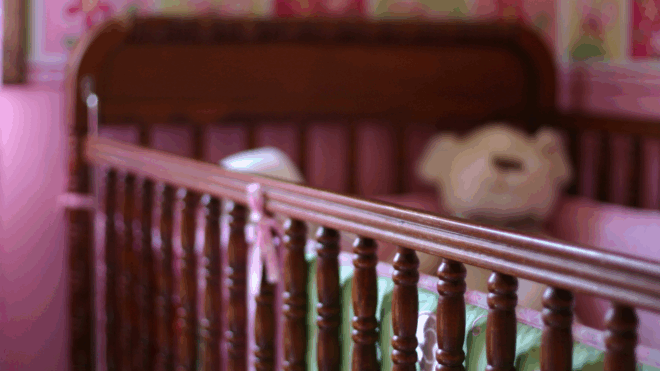
TRUE - unless amended (and it SHOULD be.) - It shall be a violation of section 19(a)(1) of the Consumer Product Safety Act for any person to which this applies to manufacture (make), sell (store or otherwise), contract to sell or resell (consignment store), lease, sublet, offer, provide for use (give away!!) or otherwise place in the stream of commerce a crib which is not in compliance with a standard promulgated under subsection (b). (meaning it must meet the lead levels I mentioned above... 600 parts per million, then 300.. maybe 100 eventually).
This applies to any person that -
(a) MANUFACTURES, DISTRIBUTES, OR CONTRACTS TO SELL CRIBS; (Salvation army, Consignment stores, Goodwill, Garage sales, Deseret Industries, Baby stores, Walmart.. it affects ANYONE who wants to SELL a crib.)
(B) BASED ON THE PERSON OCCUPATION, HOLDS ITSELF OUT AS HAVING KNOWLEDGE OR SKILL PECULIAT TO CRIBS, INCLUDING CHILD CARE FACILITIES AND FAMILY CARE HOMES; (Daycares, at home care facilities, babysitters, ANYONE who has children in their home and receive pay for it.)
(C) IS IN THE BUSINESS OF CONTRACTING TO SELL OR RESELL, LEASE, SUBLET, OR OTHERWISE PLACE CRIBS IN THE STREAM OF COMMERCE; OR (Consignment, Salvation army, Crib retailers, Baby Boutiques)
(D) OWNS OR OPERATES A PLACE OF PUBLIC ACCOMODATION AFFECTING COMMERCE (HOTELS)
All "Durable infant or toddler products" must be tested... those are defined as:
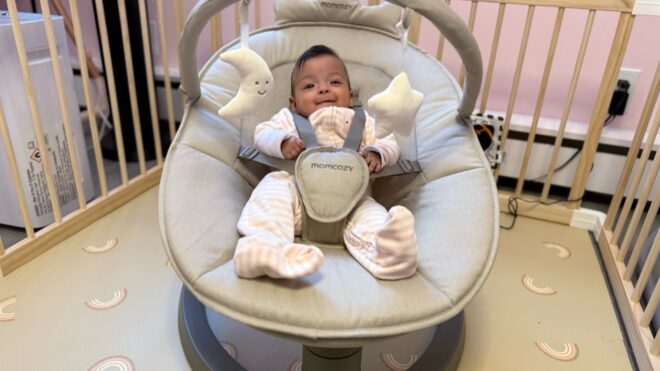
(A) Full size cribs and non full-size cribs; (B) toddler beds; (C) high chairs, booster chairs, and hook-on chairs; (D) bath seats; (E) gates and other enclosures for confining a child; (F) play yards; (G) stationary activity centers; (H) infant carriers; (I) strollers; (J) walkers; (K) swings; and (L) bassinets and cradles.
ALL of those items are included in the law I posted above, ALL are illegal to sell or give away, even by you, without a lead test certification.
If you planned to donate your childrens old items, you cant. If you planned to give them to a friend, you cant. If you planned to sell them, you definitely cant. According to this law, as it is written right now, you CANT. its ILLEGAL. (to find out what you can do, keep reading)
1) DEFINED TERMS- As used in this section
(A) The term `phthalate alternative' means any common substitute to a phthalate, alternative material to a phthalate, or alternative plasticizers
(B) The term `children's toy' means a consumer product designed or intended by the manufacturer for a child 12 years of age or younger for use by the child when the child plays
(C) The term `child care article' means a consumer product designed or intended by the manufacturer to facilitate sleep or the feeding of children age 3 and younger, or to help such children with sucking or teething. (PAJAMAS, BEDDING, BLANKETS, BIBS, PACIFIERS, TEETHERS, BOWLS, SPOONS, FORKS, CUPS, HIGHCHAIRS, ANYTHING TO HELP A CHILD SLEEP, EAT, SUCK, OR TEETH)
(D) The term `consumer product' has the meaning given such term in section 3(a)(1) of the Consumer Product Safety Act (15 U.S.C. 2052(a)(1)).
(A) AGE- In determining whether products described in paragraph (1) are designed or intended for use by a child of the ages specified, the following factors shall be considered:
(i) A statement by a manufacturer about the intended use of such product, including a label on such product if such statement is reasonable.
(ii) Whether the product is represented in its packaging, display, promotion, or advertising as appropriate for use by children of the ages specified.
(iii) Whether the product is commonly recognized by consumers as being intended for use by a child of the ages specified.
(iv) The Age Determination guidelines issued by the Commission staff in September 2002 and any successor to such guidelines.
(B) TOY THAT CAN BE PLACED IN A CHILD'S MOUTH- For purposes of this section a toy can be placed in a child's mouthif any part of the toy can actually be brought to the mouthand kept in the mouthby a child so that it can be sucked and chewed. If the children's product can only be licked, it is not regarded as able to be placed in the mouth. If a toy or part of a toy in one dimension is smaller than 5 centimeters, it can be placed in the mouth.
Statement - well how will they know we are not complying? They wont worry about us, we're small potatoes.
TRUTH -Maybe, maybe not. Is it a risk you are willing to take? I listed the fines below. Just be aware, in the UK they have had tougher toy laws for a long time.. as a result, their toys are safer.. but also as a result, crafters are subject to having their product confiscated, even at craft shows, if they do not comply withthe law and regulations. YES, they can find you. Will they? Maybe not.. but I am not willing to risk a $100,000 fine to find out. Furthermore, craft shows and farmers markets and other venues we sell our products in will not take on the liability of selling our un-tested products.. because then the fine is theirs, not ours!
(1) CONSUMER PRODUCT SAFETY ACT- Section 20(a)(1) (15 U.S.C. 2069(a)(1)) is amended--
Luminous I did repost it on my journal to!! AND myspace hpe that was ok!! :)
I voted it pop!
This will only hurt American manufacturers and will cause even more importing of products from places like China where they seem to have no problem with cutting corners. This actually with create more risk of dangerous products slipping through the testing process. This will also really hurt places like E-bay and Craigs list. Crafting stores will be hurting too. How will it affect people that make items for their own children? Does it only apply to items that will be sold or is it anything designed for children? If it is anything designed for children then I could not sew my own child a blanket without having it tested?!
I posted a ink to your post in my handmade holidays group... we need to get the word out!!!!
that is awful but I want to add as a side note that used cribs and car seats are never a good idea.
I disagree.. my sons crib is in perfect condition, it cost us so much that we promised to use it for my daughter and then I would pass it on to anyone else in the 'fam that needed a crib.. its only 4 years old.. it seems ridiculous to me that I should have to have it lead certified to give it to my cousin, you know?
I dont think car seats are as much the concern to anyone as other "durable" products, because car seats already go through so many certifications that this wont be a huge deal to that industry. But other items... like high chairs, plastic baths, play yards or "folding" cribs, gates, swings, rockers, front-pack carriers and so on... They should all be safe, dont get me wrong.. but I dont think that stores like salvation army should have to be responsible for testing them for lead. I know they are already responsible for making sure they are "safe" such as measuring the distance between the bars to see if they comply with the standards.. but thats free to do. Lead testing is far from free. What about all those families who cant afford to buy a new crib.. now what are their options?
Its up to the consumer to be aware they are shopping in a "re-store" and take responsibility for what they do and do not buy.. I find it offensive the government feels like they can deny me the right to buy used if I so choose.. its like saying "yeah, we know there is too much stuff in the land-fills.. but here, have some more perfectly good items! Lets see just how wasteful we can be!" All I ask for them to do is add a clause where re-stores and handmade artisans can add a sticker or label to their product which says something along the lines of "this item is used and has not been tested for lead, does not comply with CPSIA guideline HR 4040" or something... or "this item is handmade using domestic components but does not comply with CPSIA guideline HR 4040 because it has not been tested for lead" and let us go on our merry way. I find it insulting the government wont even give me the RIGHT to choose what to buy for my kids... I'm a crafter, a supporter of the arts, and I prefer to buy handmade... I'm not a criminal... I should be able to use my own discretion
Great information about a horrible law.
Just wanted to mention about making a bunch of inventory and selling it over the next 10 mos. That's not going to work. The law states that nothing can be SOLD as of Feb 10, 2009 without a certificate saying it complies, which must be based on testing. Any items still in inventory on at midnight Feb 10 will automatically become "banned hazardous material" and cannot legally be sold in the US.
The economic impact of this part of the law is HUGE, for big box retailers and small at home shops as well. This is the reason Feb 10 is being referred to as "National Bankruptcy Day".
Keep making noise--hopefully someone will hear us.
I've been reading up on this for several days now trying to figure it all out. I found this in a thread, and it make a LOT of sense... Scarey, but probably true!
Well, it is obvious that the goal is not actually to make sure children's products are lead free. If they were that concerned, they would test the big guys who manufacture the fabric, plastic, whatever, to begin with.
I think the goal has something to do with wanting to stamp out the small guys. Not totally sure why, though greed has something to do with it. I may be wrong about this. But these were my thoughts as I read through this thread. |
The shelves will not be empty on Feb 10th because this is not retroactive. Go read this thread which has good links. http://www.fashion-incubator.com/phpbb/viewtopic.php?p=20351&sid=eb81fbb7331489bf28100f22c2c20f0e The manufacturers don't have to comply until Feb 10th, and then they don't have to pull the old stock off the shelves. They only have to start testing and have to comply with the new manufacturing laws.
Regarding crafters: If you are buying products that have all been tested, then why would your product need further testing? If you are making a dress with fabric, thread, and a zipper that all are tested, then how could any part of the dress not be in compliance? I think the argument can be made for clothes that if all the ingredients are in compliance then the finished product is also in compliance without further testing. This law was hastily written and is incomplete. There are questions left unanswered, but the current economy cannot withstand the demise of all reselling and homespun craft businesses. Nor can the large children's retailers toss millions in inventories without cutting back expenses (jobs) or possibly closing. Yet we don't see Mattel or Toys R Us beside the auto makers asking for a hand-out. This is a knee-jerk reaction that will have to be corrected or further interpreted/clarified.
Click here to register for CafeMom
Already a member? Click here to log in
whhhhy isn't this post popular!! it needs to be.
jennyoh Dec. 6, 2008 at 9:53 PM (Delete)
I really cant figure that out either Jenny... if not my post, why not someone elses about the same thing? People need to hear about this.. all I can guess is they either dont CARE or they dont UNDERSTAND.. one way or another, it affects all of us so I hope people take the time to either learn more or stop to see why they should care...
anyone who wants to repost this or any portion of it you have my permission 100%, post it as a journal! We need to get some form of this as a pop post so more people see it
- LuminousMom
(Original Poster)