








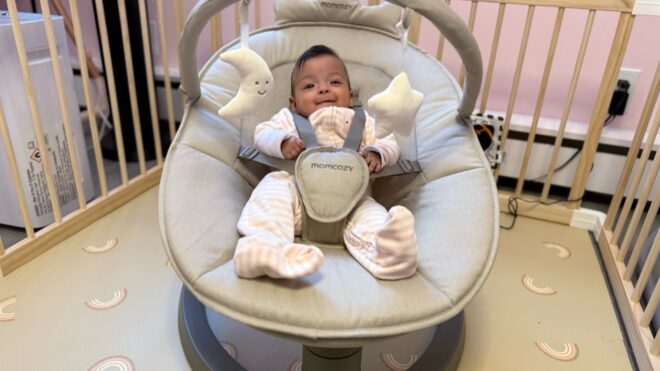
The human body never ceases to amaze me. A woman's ability to suddenly make breastmilk after delivery is an amazing feat. The manufacture of blood and urine is equally amazing to me, not to mention how it fulfills its purpose in the human body.
Have you ever wondered exactly what's in breastmilk? Or blood? Or urine? I have. And as you might expect, I spent a few days studying up on it and want to share my results.

Picture above is modified from a picture in the public domain
Blood makes up about 7% of the human adult body by weight (5 liters total). It can be broken down into two fractions:
1. Plasma - The plasma fraction of blood makes up about 55% of the total blood content. The plasma is made up of the following components:
Water (92%)
Other components (8% total):
Proteins (the main one is serum albumin)
Molecules being transported, such as amino acids, fatty acids and glucose
Hormones
Waste, such as lactic acid, urea and carbon dioxide
Platelets, AKA thrombocytes (about half a million of them!!)
2. Cells - The cellular fraction of blood makes up about 45% of the blood content.
Red Blood Cells AKA RBCs or erythrocytes (4.5 - 6 million of them!!)
White Blood Cells AKA WBCs or leukocytes (about 10,000 of them!!)
If you would like to read further about blood, the PBS site for "Red Gold" has an interesting section.

Picture above is modified from a picture in the public domain
Breastmilk
Water is the base for the milk. Foremilk often looks like water, and as the nursing session carries on, the milk gets thicker (hindmilk), reflecting its relatively lower water content. The information I have here seems to be an "average" milk. Really the composition varies by individual, the month of lactation, time of the day, etc. So the milk is always changing (another amazing fact). Nevertheless, this post provides a glimpse of the "average" contents.
Breastmilk can be broken down into these basic components:
1. Fats about 30%
Fats are necessary for retina, brain and nervous system development, and absorption of fat soluble vitamins. The fat fraction breaks down as follows:
Triglycerides 98% - Of the triglycerides, the majority are long chain fatty acids, with the oleic and palmitic acids being most abundant. Other long chain fatty acids present in high quantities are linoleic acid, linolenic acid, arachadonic acid (ARA), and docosahexaenic acid (DHA).
Other fats 2%
2. Carbohydrates (sugars) about 65%
Carbohydrates are the main source of energy. Carbohydrates decrease the bacterial load in the infant stomach. They also help with absorption of minerals such as calcium, magnesium and phosphate. The carbohydrate fraction breaks down as follows:
Lactose 97%
Oligosaccarides (mostly lactose-N-tetraose) 2%
3. Protein about 8%
Proteins are necessary for development of all tissues and organs in the body. Proteins have many functions in the body, including cell signaling, amino acid source, etc. The protein fraction breaks down as follows:
Whey proteins about 60% - Whey proteins are majority whey, but also significant amounts of lactoferrin, secratory IgA (antibodies), serum albumin, and alpha-lactalbumin. These components are known to help control bacterial and yeast infection in addition to the properties listed above.
Casein proteins about 30% - This is predominantly beta-casein.
Other proteins in significant amounts include the following: Lysozyme, which protects against bacterial infection and works as an anti-inflammatory agent. Bifidus Factor promotes the growth of "good bacteria" and helps create an acidic environment in the stomach and colon. IgG and beta-lactoglobulin are present in lower amounts - these also help control infections.
4. Vitamins <1%
Vitamins are necessary for proper development. The vitamin fraction includes the following:
Fat soluble vitamins such as vitamins A, D, E, and K.
Water soluble vitamins such as vitamin C, niacin, pantothenic acid, and riboflavin.
5. Minerals <1%
Minerals are necessary for proper development. The mineral fraction includes calcium, phophorus, Sodium, Potassium, and Chlorine.
6. Other <1%
Other components include the following:
Hormones, cytokines (growth factors), enzymes, live cells, trace elements, nitrogen-containing compounds (such as urea, amino acids and creatine), and miscellaneous other compounds. Among these other compounds are dioxins, PCBs, DDT, caffience, nicotine, and various drugs the mother may be taking. Many of these "other components" don't have a known function, so it isn't clear if they are present in the breastmilk by design, or as contaminants. Keep in mind, not all contaminants are bad for the baby.
For more information I really recommend this link to UN University's food and nutrition bulletin (volume 17, number 4) from December 1996.

Picture above is modified from a picture in the public domain
Urine can have a varied composition since it is a water base carrying various wastes out of the body. The wastes are compounds such as :
inorganic salts
urea
ammonia (from breakdown of urea)
organic compounds
drugs (both metaboloites and drugs that have not been absorbed by the body)
excess vitamins
If you are interested inmore information about urine, check out the Wiki article, or google urine (that's good for a laugh).
Tonya
AKA sunmoonstars
Already a member? Click here to log in
Videos
I Faked a Facebook Profile to Spy on My Husband!
Coffee Shop Confessions
Jealousy makes us do crazy things, but can you believe how far this mom went to catch her hubby flirting online?
Watch More Videos from CafeMom Studios ››


Wonderful information!! I have voted popular.
- Momforhealth
Message Friend Invite