




Do you ever wonder what the difference is between a science experiment and a science activity? I often see the word "experiment" used in discussion, but then soon realize the speaker (or writer) means "activity". I want to use this opportunity to explain the difference. It might not be a big deal to alot of people out there, but there is a very distinct difference between these words, particularly when a scientist is discussing true experiments!
A science activity is any action that is designed to teach a specific concept.
In general, students need to start off learning some basic science concepts, such as gravity, the phases of matter, the sense of scale, data collection, and many more, This need for learning the basics is what makes science activities great for younger kids. Some great science activities include:
Crafts that focus on making a model of a human, plant or animal (teaching the body layout)
Nature walks for collecting leaves or flowers, followed by discussion or sorting of the objects (teaching similarity, plant names, structure/function relationships)
Making ice cream at home (teaching about the phases of matter)
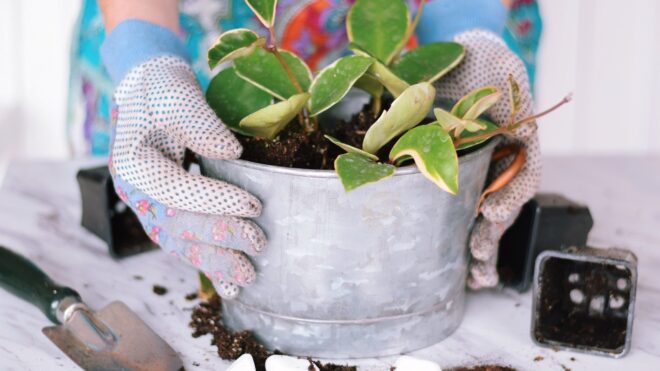
Keeping a garden (teaching about how plants grow and the different types of plants)
Tracking weather data at your house (teaching about types of weather and how to take measurements such as temperature and rainfall)
A scientific experiment is a method used to investigate relationships among variables in a system. The experiment is a step in the Scientific Method (which I wrote about last week).
As children get older, they will continue to participate in activites, but the concepts get more complicated. Hands-on science is REALLY fun and helps kids learn quicker and in more detail than reading from a textbook. And it's really easy to do, since science is everywhere! At some point, kids will be ready to tackle simple experiments, such as these:
Growing groups of plants, but feeding them with different solutions (determine the relationship between feed solution and plant growth)
Catching bugs in your yard on different days (determine if the temperature or amount of sunlight has any effect on the number of bugs in your yard)
Baking cakes using different types of flour (determine if the flour type used has an effect on the taste of the cake)
Sorting a collection of wildflowers (determine if color predominance changes with the season)
Learning about science is very rewarding for everyone involved, whether it be from a (slightly more) complicated experiment or a fun, easy activity. Just keep in mind the difference between the two, especially if you must help your child with a science fair project. Older kids participating in a science fair may need to generate data for an original experiment. If you need science fair project help, Science Buddies is the place to see!
Enjoy your science learning. I'll have more kitchen science coming up soon - sometimes they'll be experiments but sometimes they will be activities!
Tonya
AKA sunmoonstars
Already a member? Click here to log in


Yay! My daughter recently did a similar plant experiment in her preschool.
Will a journal describing the difference between scientific theory and law come at some point? I imagine it could end up being a flashpoint for debate, but they both need to be described! People don't understand that "theory" in science doesn't mean "just an idea" or a "hunch."
- evwsquared
Message Friend Invite