







Pragmatics involve three major communication skills:
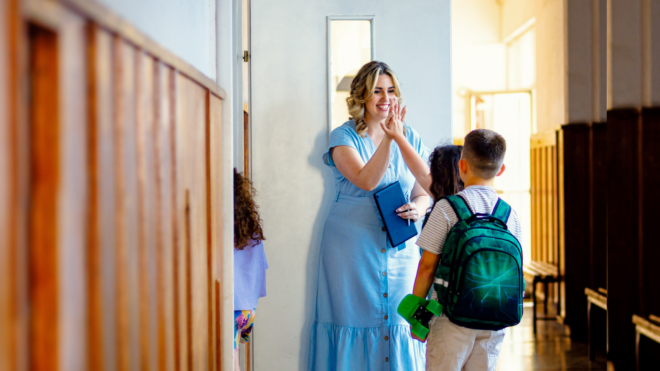
- Using language for different purposes, such as
- greeting (e.g., hello, goodbye)
- informing (e.g., I'm going to get a cookie)
- demanding (e.g., Give me a cookie)
- promising (e.g., I'm going to get you a cookie)
- requesting (e.g., I would like a cookie, please)
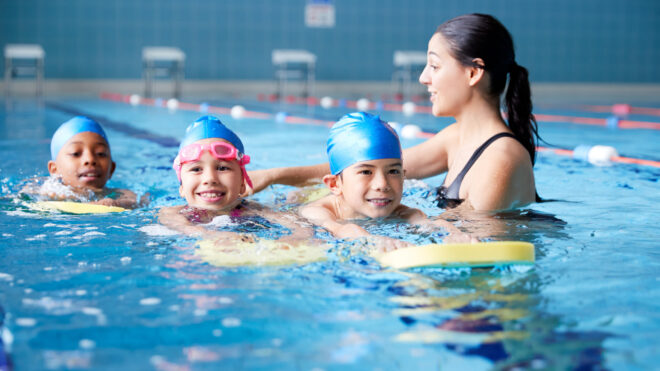
- Changing language according to the needs of a listener or situation, such as
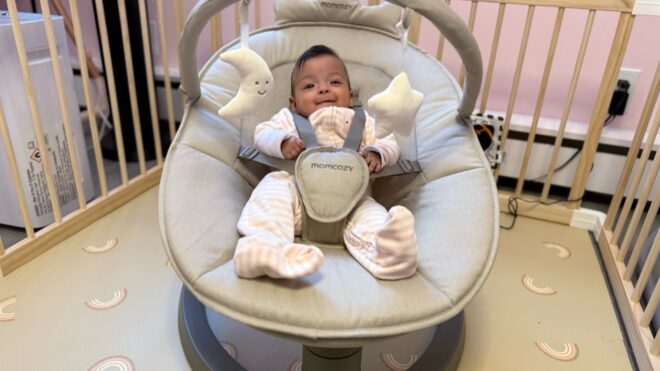
- talking differently to a baby than to an adult
- giving background information to an unfamiliar listener
- speaking differently in a classroom than on a playground
- Following rules for conversations and storytelling, such as
- taking turns in conversation
- introducing topics of conversation
- staying on topic
- rephrasing when misunderstood
- how to use verbal and noverbal signals
- how close to stand to someone when speaking
- how to use facial expressions and eye contact
It is also referred to as social communication skills.
Comments:
These are things my son's Speech Pathologist worked on with him, making wonderful progress. Now I understand what she was doing.
I wish parents were told exactly what speech therapy is when it's recommended for Asperger's. I remember almost NOT setting it up for my son because I thought, "His speaking is fine. He pronounces everything correctly and speaks in sentences." I think they should call it Communication Therapy, because that really was/is his challenge.
Already a member? Click here to log in


- Mom2PunkRockers
Message Friend Invite